Daily Opening Times
- Farm: OPEN 10am-5pm daily
- Cafe: OPEN 10am-5pm daily
- serving hot food 10am – 3:30pm

Daily Opening Times
- Farm: OPEN 10am-5pm daily
- Cafe: OPEN 10am-5pm daily
- serving hot food 10am – 3:30pm
Meet the animals
Say Hello to all your Farmyard Friends!
Daily Animal Activities
Meet the Pygmy Goats- 11.00am
Meet the Sheep- 2.00pm
Daily Tractor Rides. Please ask our team for the daily timetable and prebook tickets at our ticket desk.

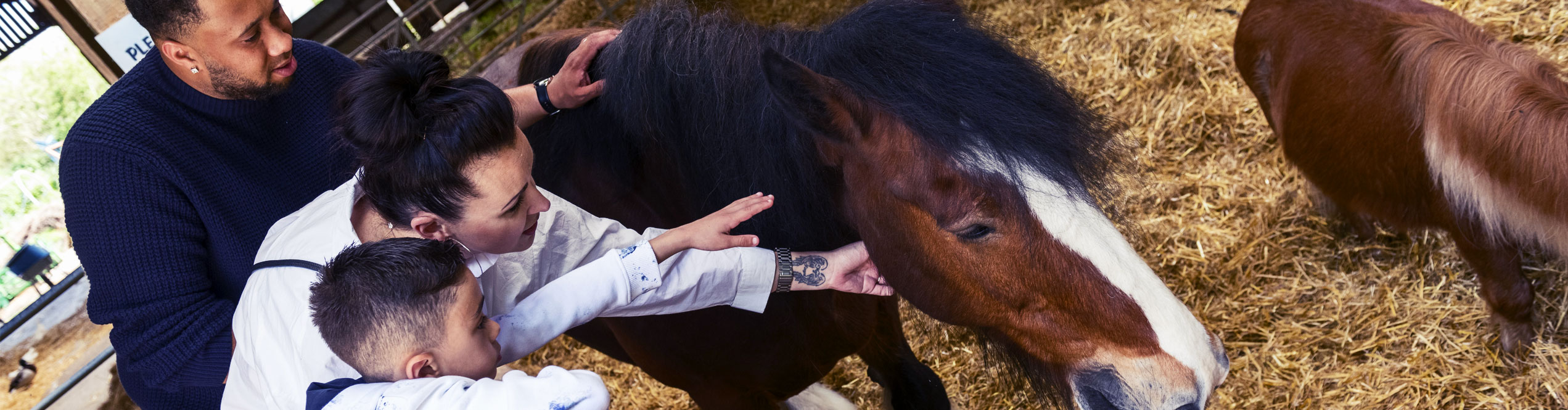
Suffolk Punch Horses
Come and see our beautiful Suffolk Punch horses. The Suffolk Horse, also known as the Suffolk Punch, originated from East Anglia and was developed specifically for the heavy clay soils of Suffolk and Norfolk.
Known affectionately as the Suffolk Punch because of its round, muscular “punchy” build.
There are fewer than 500 purebred Suffolk Punch horses registered in the UK. They are so endangered that they are now rarer than the giant panda.
Highland Cows
At Standalone Farm, we’re lucky to have very special residents, our gentle Highland Cows.
If you’ve ever met them, you’ll know just how lovable and unique they are. With their long, shaggy coats and calm nature they look like a big, fluffy teddy bear. But their gorgeous hair is more than just a cute feature it helps protects her in cold weather.
Highland cows are the oldest breed of cattle in the world. They’ve been around since the 6th century.


Pigs
We have three breeds of pig here at the farm, Large White, Saddleback & Kune Kune. They love to relax beneath the trees in our woodland and wallow in the mud.
Pigs have their own language of communication, utilizing a variety of sounds like grunts, squeals, and oinks to express different emotions and needs.
Alpacas
Meet our gentle, docile and equally lovable Alpacas. They love to greet you when you jump on the tractor rides.
Originating from South America, Alpacas were domesticated by the people of the Peruvian Andes 6,000 years ago for food, fuel, and fiber.
Alpacas are prized all over the world for their fleecy coats, which are shorn to make warm, soft, lightweight textiles.

Pygmy Goats
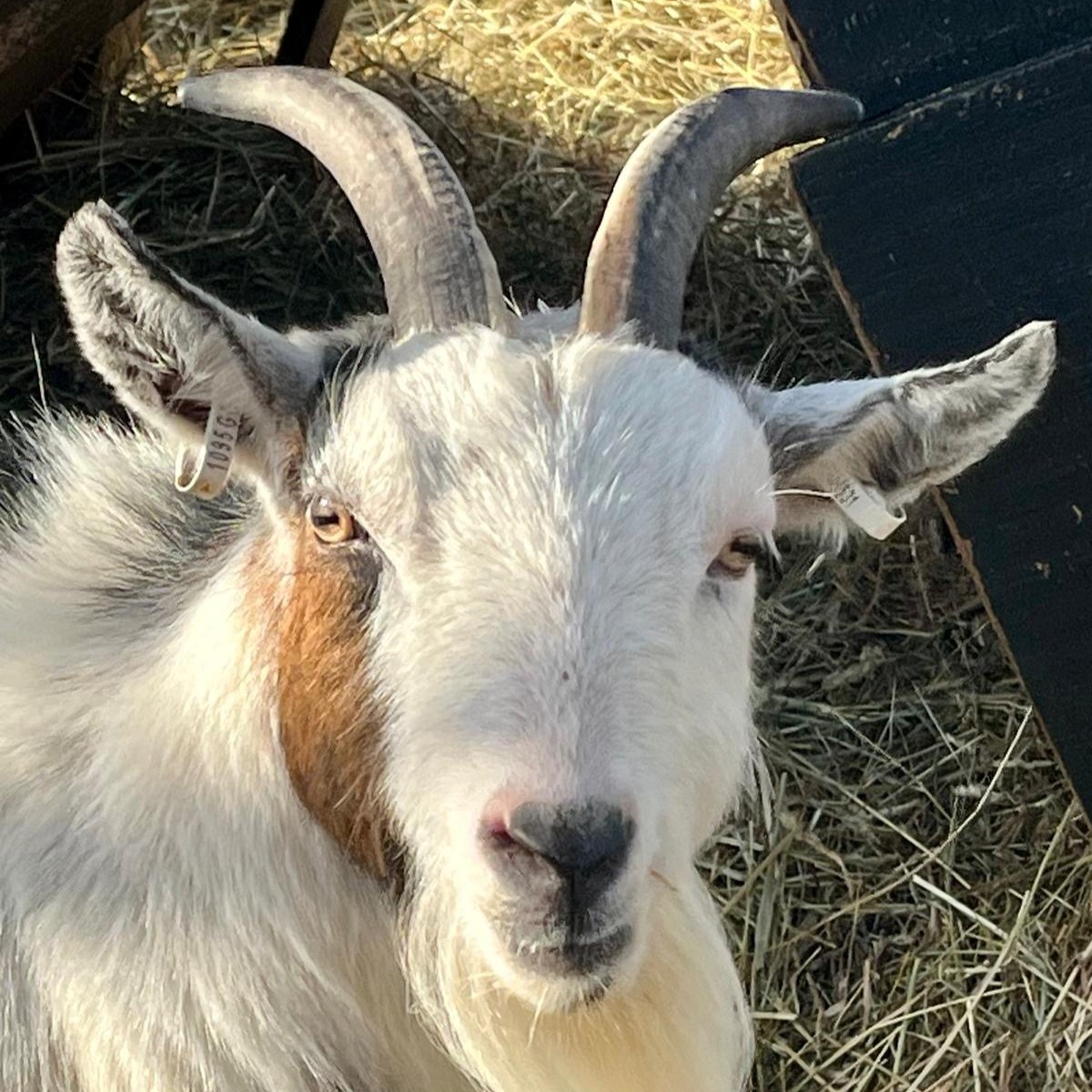
Have you meet our cheeky, curious herd of Pygmy Goats? They love to climb on their climbing frame underneath the trees. Within a herd, Pygmy Goats establish a clear social hierarchy, using head-butting and body language to assert dominance.
Pygmy Goats are primarily browsers, not grazers, a crucial distinction that influences their dietary needs. This means they prefer to eat leaves, twigs, shrubs, and weeds rather than solely grass.
Donkeys
Come and see our adorable donkeys. Currently enjoying their lives in the centre of the farm yard. While the donkey has a reputation of being stubborn our donkeys are far from it, they love nothing better than a friendly tickle behind the ears.
Originally native to arid and semi-arid regions of Africa, donkeys have adapted remarkably to a wide range of habitats. They thrive in grasslands, deserts, and mountainous terrain!

Guinea Fowl
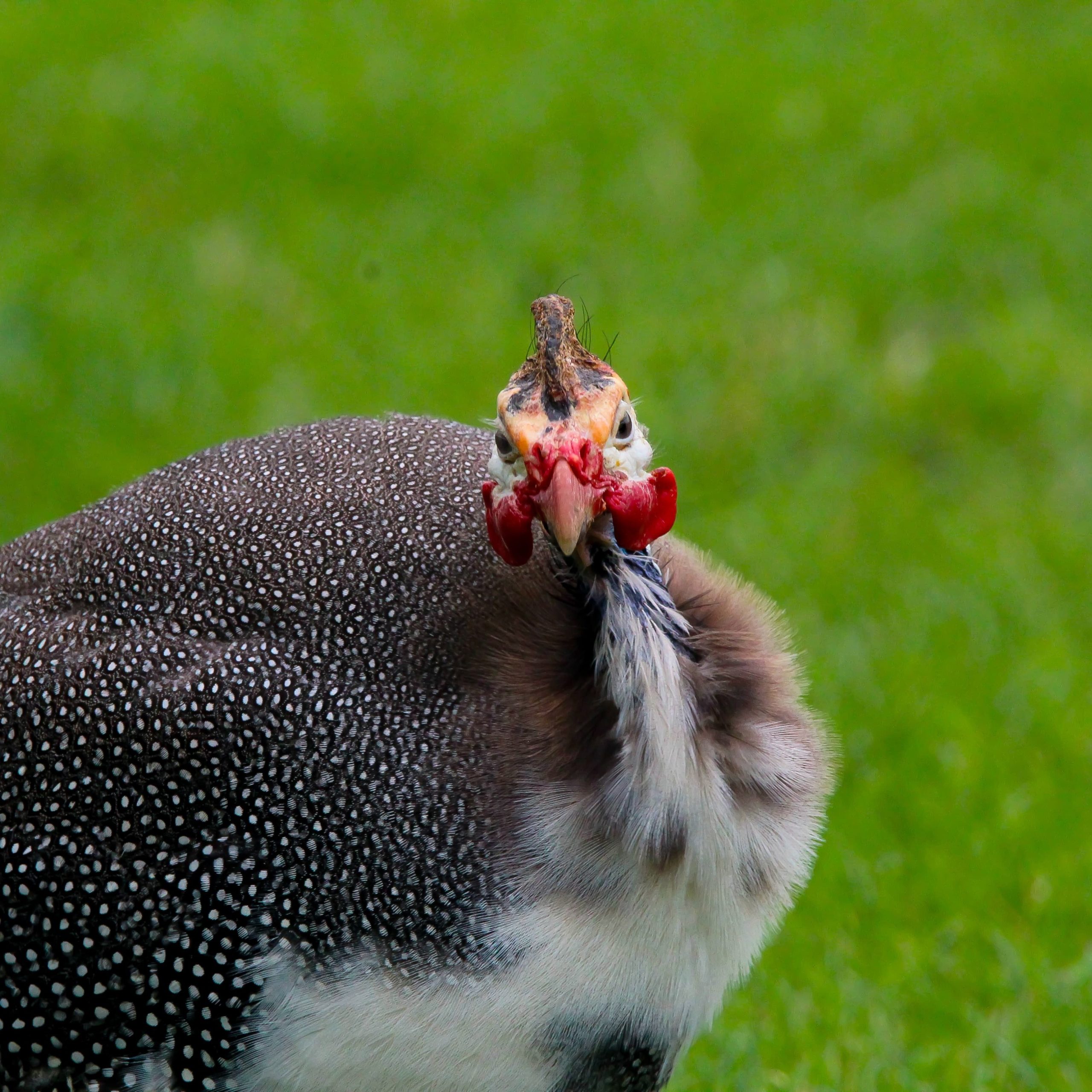
Can you spot our illusive Guinea Fowl. They roam the farm looking for food. Native of Africa, they prefer open woodlands, grasslands, and savannas. They require areas with scattered trees or shrubs for roosting and nesting but spend most of their time foraging in open areas.
Guinea fowl are renowned for their loud, piercing calls, which can be heard from a considerable distance.
Zwartbles Sheep
The black sheep of the family! Zwartbles are Dutch breed of sheep, known for being excellent mothers. They’re name means black blaze (Zwart – Black, Bles – Blaze). Come and watch them being fed everyday at 2pm.
Zwartbles sheep are relativity new to the United Kingdom. The first Zwartbles sheep arrived in the early 1990s, with the Zwartbles Sheep Association starting in 1995.

Animal Contact Advice
Please wash your hands after feeding or having any contact with animals, especially before eating or before your little farmers play in the play area. This also applies if you are touching anything in an animal contact area such as fences, rails or any surfaces. Wash your hands with soap and water as hand gels do not protect against all the germs animals carry.
No eating or drinking in the animal contact areas. This includes takeaway coffees and sweets/chewing gum. You are more than welcome to eat and drink in our picnic areas which are in front of the mini tractors and the picnic barn, or you can purchase and consume food in the Greenway Cafe.
Animals can carry diseases such as E. coli, Cryptosporidium, Chlamydophilia abortus, Salmonella and others. It is the responsibility of the parent or guardian to ensure that children are monitored and that necessary precautions are taken to prevent infection.
View our full Animal Contact Advice here

Health and Safety Advice Leaflet
Guidance Specifically for Lambing
Pregnant people must take care to avoid animal contact areas with lambs as they are at particular risk of certain diseases. For their safety pregnant people should not participate in any activities connected to lambs.
Children must always be closely supervised by a parent or guardian to ensure they are following the safety guidelines.
Bird Flu (Avian Flu)
Please be aware that wild and domesticated birds can carry Bird Flu. Do not feed the birds or put your hands in the enclosures.
Please wash your hands frequently when in our animal contact areas.
Animal Welfare Licence
We are thrilled that we have received one of North Hertfordshire District Council’s new animal welfare licences.
Don't miss a thing
Find out about our special events, new activities, news and more. Simply add your name and email below and click to sign-up. By signing up, you confirm that you agree with our privacy policy.